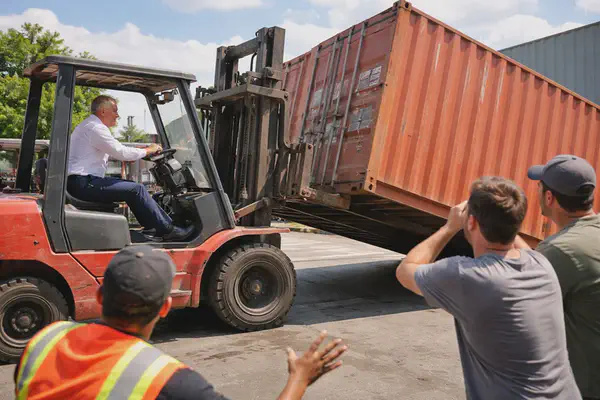
By the time the 40-foot container had been sitting at the port for ten days, Emma (name changed) had stopped being surprised.
She’d seen this coming.
Emma works as a purchasing manager for a mid-sized home goods retailer. For five years, the company had used the same domestic importer for their seasonal décor. The importer charged a markup, sure—but they handled everything: customs, quality checks, shipping, and all the invisible chaos in between.
For Emma, it was simple and stress-free.
Then the new Director of Operations walked in.
Daniel (name changed) was certain he was a business genius. At his very first big meeting, he launched into a lecture about how the company was “hemorrhaging money” by using a local distributor. Why pay a middleman when they could “go direct to the source” and save 15%?
Emma tried to explain. Freight forwarders. Tariffs. Port delays. Customs brokers. ISF filings. All the unglamorous details that make international trade a full-time job.
Daniel waved it off. She was “being lazy,” he said. “Just get me the contacts, I’ll close the deal myself.”
So she did exactly that.
Emma spent days combing through manufacturers on Alibaba, putting together a careful spreadsheet: twenty legitimate Chinese factories that made glass ornaments, their minimum order quantities, time zone differences, everything he’d need.
Then she stepped back and watched.
First, Daniel discovered that the FOB price he was so proud of didn’t include actually getting the goods to their warehouse. Then he wired money to a supplier but didn’t hire a customs broker, so the shipment was flagged by Customs and Border Protection.
The container arrived… and then just sat at the port.
For ten long, expensive days, it waited there because Daniel hadn’t filed the ISF paperwork. The demurrage fees alone—penalties for not moving the container—ended up costing more than the 15% he’d tried to save.
People who heard the story later pointed out that many bosses in his position would have doubled down, blamed everyone else, maybe even started firing people. Instead, Daniel did something unusual.
He walked up to Emma’s desk, looking smaller than she’d ever seen him, and quietly asked if she still had the phone number for their old importer.
In the end, the lesson was costly, but clear: sometimes the “middleman” is the only thing standing between a great idea and a very expensive mistake.